
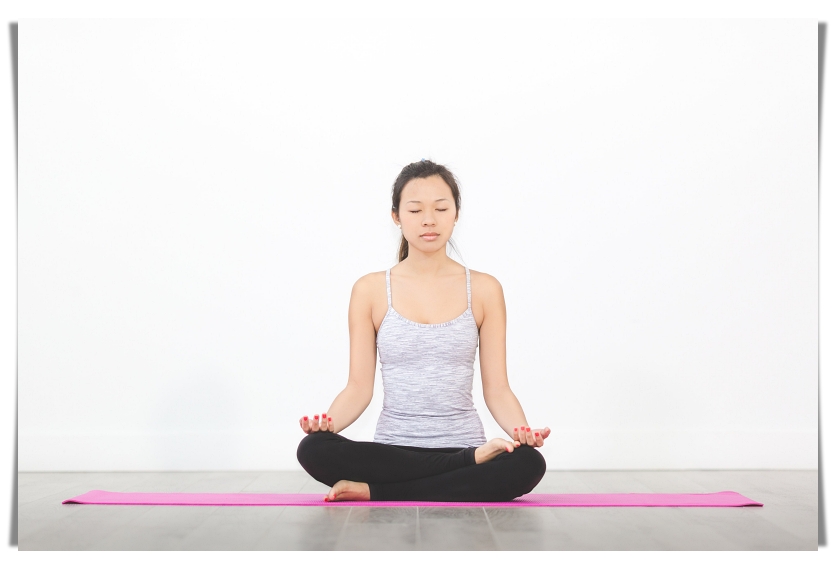
Let’s talk about something most entrepreneurs dismiss as “nice to have” but don’t prioritize: yoga and mindfulness practices.
I get it. When you’re hustling to close deals, meet payroll, manage your team, and scale your business, sitting cross-legged on a mat or focusing on your breath feels about as practical as a meditation retreat in the Himalayas. You’ve got real work to do. Emails to answer. Problems to solve. Money to make.
But here’s what the data actually shows: entrepreneurs who incorporate yoga and mindfulness into their routines aren’t just healthier—they’re sharper, more resilient, less reactive, and better equipped to handle the relentless stress that comes with building something from nothing.
This isn’t about becoming a zen master or trading your ambition for inner peace. This is about leveraging evidence-based practices that enhance your cognitive performance, regulate your stress response, improve your decision-making, and extend your runway as an entrepreneur. Think of yoga and mindfulness as performance enhancement tools, not spiritual luxuries.
Let’s break down the science, dispel the myths, and give you practical protocols you can implement immediately—no yoga studio or hour-long sessions required.
The Science: Why Yoga and Mindfulness Matter for Entrepreneurs
Before we get into the how, let’s establish the why with hard science.
Stress Regulation and Cortisol Control
Chronic stress is the silent killer of entrepreneurial success. When you’re operating in fight-or-flight mode constantly, your body pumps out cortisol—the stress hormone that, in chronic elevation, destroys cognitive function, disrupts sleep, weakens immunity, and accelerates aging.
Research published in PMC found that yoga practice significantly reduces cortisol levels and produces antidepressant effects. The study demonstrated that yoga-only interventions showed robust cortisol-lowering effects, with the relationship between reduced cortisol and improved mood being clearly established.
A 2024 systematic review in Stress and Health analyzing 28 studies found that 77% of meditation interventions and 60% of yoga interventions showed statistically significant beneficial effects on stress outcomes. All four studies measuring cortisol showed significant reductions favoring yoga and meditation conditions.
Translation: Yoga and mindfulness literally reprogram your stress response at the hormonal level. This isn’t about feeling calm—it’s about changing your biology so stress doesn’t destroy your performance.
A 2024 study in Frontiers in Public Health showed that yoga significantly reduces cortisol measured in saliva during both wakefulness and sleep, which is critical because long-term elevated cortisol levels are a predisposing factor for depression.
Cognitive Performance and Focus
Your brain is your most valuable asset as an entrepreneur. Every strategic decision, creative problem-solving session, and high-stakes negotiation depends on optimal cognitive function. Yoga and mindfulness enhance the very cognitive capacities you need most.
Research published in Consciousness and Cognition found that just four days of brief mindfulness meditation training significantly improved visual-spatial processing, working memory, and executive functioning. Participants who meditated for 20 minutes daily showed enhanced ability to sustain attention—benefits previously only reported in long-term meditators.
A 2023 study published in the Journal of Economic Behavior & Organization involving a three-month mindfulness training program at three large companies found strong evidence of reduced perceived stress and increased cognitive flexibility and mindfulness. The treatment effects persisted three months after training ended, demonstrating lasting cognitive benefits.
Even more impressive: A study in PMC showed that brief mindfulness meditation produces significant changes in attention abilities and higher-order cognitive processes. Novice meditators showed improved focus attention and efficiency of cognitive resources after just 10-minute daily practices.
A 2024 study examining desk-based workers found that a six-month yoga intervention enhanced cognitive function, particularly in working memory, inhibition, and attention—potentially offsetting the adverse cognitive effects of prolonged sedentary behavior. The findings have direct implications for improving workplace productivity and employee well-being.
Decision-Making and Emotional Regulation
Entrepreneurs make hundreds of decisions daily under uncertainty and pressure. Your ability to regulate emotions, avoid reactive decisions, and maintain clarity in chaos determines your success trajectory.
A comprehensive review in Neuropsychology Review concluded that mindfulness-based programs improve executive function, with significant effects on working memory and inhibitory control. These are exactly the cognitive functions required for sound decision-making under pressure.
Research in Scientific Reports demonstrated that long-term mindfulness meditation training enhances the accuracy of cognitive performance and creates more efficient cognitive processing. Athletes who practiced mindfulness showed improved attentional capacity—skills directly transferable to high-pressure entrepreneurial environments.
Stress Resilience and Recovery
A 2017 study published in ScienceDaily found that after a three-month yoga and meditation retreat, participants showed increased brain-derived neurotrophic factor (BDNF)—essentially fertilizer for your brain cells—improved cortisol awakening response (indicating better stress resilience), and altered inflammatory markers. The research team hypothesized that this pattern of biological findings is linked to enhanced resilience and wellbeing.
A meta-analysis published in Psychoneuroendocrinology analyzing 42 studies found that interventions including yoga asanas were associated with reduced cortisol, lower blood pressure, reduced resting heart rate, improved heart rate variability, and better fasting blood glucose and cholesterol levels. The evidence suggests yoga practices improve regulation of both the sympathetic nervous system and hypothalamic-pituitary-adrenal system.
The bottom line? Yoga and mindfulness aren’t soft skills—they’re competitive advantages that directly impact your cognitive horsepower, stress resilience, and longevity as an entrepreneur.
Breaking the Myths: What Yoga and Mindfulness Actually Are
Let’s clear up some misconceptions that keep entrepreneurs from adopting these practices.
Myth #1: It Takes Too Much Time
Reality: You can get meaningful benefits from 5-10 minute practices. Research shows that even a single 10-minute mindfulness meditation session can acutely enhance attention, inhibition, and cognitive flexibility—regardless of previous meditation experience.
You don’t need hour-long yoga classes or 30-minute meditation sessions. Strategic micro-practices throughout your day deliver compound benefits.
Myth #2: You Need to Be Flexible or Spiritual
Reality: Yoga for entrepreneurs is about functional movement and stress regulation, not contorting into pretzel shapes or chanting mantras. The physical postures (asanas) combined with controlled breathing (pranayama) create physiological changes that enhance performance. Your spiritual beliefs are irrelevant.
Myth #3: It’s About Emptying Your Mind
Reality: Mindfulness isn’t about stopping thoughts—it’s about changing your relationship with them. You learn to observe thoughts without being hijacked by them, creating space between stimulus and response. This metacognitive skill is invaluable when dealing with setbacks, criticism, or high-pressure decisions.
Myth #4: It’s Only for Stress Management
Reality: While stress reduction is a major benefit, yoga and mindfulness also enhance focus, creativity, sleep quality, immune function, and cognitive performance. They’re comprehensive performance optimization tools.
Practical Protocols for Entrepreneurs on the Go
Now let’s get tactical. Here are specific practices designed for busy entrepreneurs who need maximum ROI on minimal time investment.
Quick-Hit Desk Yoga Sequences (5-10 Minutes)
You can do these right at your desk without changing clothes or breaking a sweat. Perfect for breaking up long work sessions.
The Focus Reset (5 minutes)
When to use it: Mid-afternoon energy crash, before important meetings, when you feel mentally foggy.
- Seated Cat-Cow (1 minute): Sit forward in your chair with feet flat. Place hands on knees. Inhale, arch your back, lift your chest, draw shoulders back. Exhale, round your spine, tuck your chin. Repeat slowly 10 times. This mobilizes your spine and increases blood flow.
- Seated Spinal Twist (2 minutes): Sit sideways in your chair. Hold the back of the chair with both hands and twist your torso toward the back of the chair. Hold for 30 seconds, breathing deeply. Switch sides. Repeat twice each side. Releases tension in your back and improves spinal mobility.
- Wrist and Finger Stretches (1 minute): Extend arms overhead, draw 10 circles with your wrists each direction. Spread fingers wide, make fists, repeat 10 times. Interlace fingers and press palms away from your body. Essential for those typing all day.
- Deep Breathing (1 minute): Close your eyes. Inhale slowly through your nose for 4 counts, hold for 4 counts, exhale through your nose for 6 counts. Repeat 5 times. This activates your parasympathetic nervous system and resets your stress response.
The Tension Buster (7 minutes)
When to use it: Neck and shoulder pain, stress-induced body tension, end-of-day unwinding.
- Neck Rolls (1 minute): Slowly roll your head in circles, 5 times each direction. Then tilt your head to each side, holding for 15 seconds. Releases chronic neck tension from looking at screens.
- Shoulder Shrugs and Rolls (1 minute): Raise shoulders to ears, hold for 3 seconds, drop them. Repeat 10 times. Then roll shoulders backward 10 times, forward 10 times.
- Eagle Arms (2 minutes): Extend arms forward at shoulder height. Cross right arm over left, bend elbows, try to bring palms together. Lift elbows while dropping shoulders. Hold for 30 seconds. Switch sides. Repeat twice. Opens tight shoulders and upper back.
- Seated Forward Fold (2 minutes): Sit forward in your chair, feet flat. Fold forward from your hips, letting your torso hang over your thighs. Let your head and arms hang heavy. Hold for 1-2 minutes, breathing deeply. Releases lower back tension and calms the nervous system.
- Desk Push-Ups (1 minute): Place hands on your desk, step feet back into a plank position against your desk. Do 10-15 push-ups. Activates your body and breaks up sedentary time.
The Energizer (10 minutes)
When to use it: Morning wake-up, pre-workout, when you need physical energy without coffee.
- Standing Forward Fold (2 minutes): Stand with feet hip-width apart. Fold forward from your hips, letting your torso hang. Hold opposite elbows. Sway gently. This inverts your head below your heart, increasing blood flow to your brain.
- Chair Squats (2 minutes): Stand in front of your chair. Lower down as if to sit, but hover just above the seat. Stand back up. Repeat 15-20 times. Activates your legs and glutes.
- Desk Downward Dog (2 minutes): Place hands on your desk, walk feet back until your body forms an inverted V. Press chest toward thighs, press heels toward floor. Hold for 1 minute. Rest and repeat.
- Warrior Series (3 minutes): If you have space, do Warrior I and II poses. Step one foot back into a lunge, raise arms overhead (Warrior I), hold for 30 seconds each side. Then open hips and arms into Warrior II, hold for 30 seconds each side. Repeat twice. Builds strength and focus.
- Mountain Pose with Breath (1 minute): Stand tall, feet hip-width apart, arms at sides. Close your eyes. Take 10 deep, slow breaths, focusing completely on the sensation of breathing. Grounds you and centers your attention.
Mindfulness Practices That Don’t Require Meditation
If formal meditation feels inaccessible, these practices deliver similar benefits.
The 60-Second Breath Reset
The protocol: Wherever you are, whatever you’re doing, pause. Close your eyes if possible. Take one incredibly slow, deep breath—inhaling for 4-5 seconds, holding for 2-3 seconds, exhaling for 6-8 seconds. Focus entirely on the physical sensation of breathing. That’s it.
When to use it: Before responding to a frustrating email, after a difficult conversation, before a high-stakes meeting, when you notice stress building.
Why it works: This immediately activates your parasympathetic nervous system, interrupting the stress response and creating a moment of conscious choice rather than automatic reaction.
Mindful Transitions
The protocol: Between tasks, meetings, or locations, take 30 seconds to consciously transition. Notice three things: what you see, what you hear, what you feel physically. This anchors you in the present moment.
When to use it: Between back-to-back meetings, before starting a new project, when context-switching between different types of work.
Why it works: Prevents mental residue from one task contaminating the next. Improves focus and presence in each new activity.
Body Scan for Stress Detection
The protocol: Set a timer for three times daily. When it goes off, do a 30-second body scan. Start at your head, move down through shoulders, chest, stomach, legs, feet. Notice where you’re holding tension. Breathe into those areas.
When to use it: Mid-morning, mid-afternoon, evening. Or anytime you notice stress but can’t identify what’s causing it.
Why it works: Stress manifests physically before we’re consciously aware of it. Regular body scans help you catch stress early and intervene before it escalates.
Single-Tasking Practice
The protocol: Choose one task. Set a timer for 25 minutes (Pomodoro technique). Do only that task. When your mind wanders, notice it, note “thinking,” and return attention to the task. No multitasking, no checking phone, no email.
When to use it: Deep work sessions, creative tasks, strategic thinking, anything requiring sustained focus.
Why it works: This is mindfulness in action—training your attention to stay with one thing despite distractions. The skill transfers to everything else you do.
Gratitude Micro-Moments
The protocol: At the end of each workday, write down three specific things that went well. Be concrete: “The client call went better than expected because I stayed calm when they pushed back” rather than “good day.”
When to use it: Daily, ideally before leaving work or during your evening routine.
Why it works: Entrepreneurship has a negativity bias—problems scream for attention while wins go unnoticed. This practice rewires your brain to notice positive data, improving mood and resilience.
The Morning Routine: Setting Your Day Up for Success
How you start your morning determines the quality of your entire day. Here’s a minimal viable routine that takes 15-20 minutes:
5 minutes: Morning movement
- 10 Sun Salutations or
- 5 minutes of yoga flow or
- Quick bodyweight circuit (push-ups, squats, planks)
5 minutes: Breathwork
- Box breathing: Inhale 4 counts, hold 4, exhale 4, hold 4. Repeat 10 times.
- Or: 4-7-8 breathing: Inhale 4, hold 7, exhale 8. Repeat 5 times.
5 minutes: Mindfulness practice
- Seated meditation focusing on breath or
- Mindful coffee/tea drinking—fully experiencing each sip or
- Gratitude practice—listing three things you’re grateful for
5 minutes: Intention setting
- Identify your three most important tasks for the day
- Visualize yourself completing them successfully
- Note one way you want to show up today (calm, focused, creative, decisive)
This 20-minute investment pays dividends all day: better focus, more resilience, clearer thinking, and improved emotional regulation.
The Midday Reset: Preventing Afternoon Crashes
The 2-4 PM window is when energy and focus typically nosedive. Instead of reaching for more caffeine or sugar, try this 10-minute reset:
3 minutes: Movement break
- Walk outside if possible, even just around the building
- Or do desk yoga sequence from above
- Or do 20 jumping jacks + 10 push-ups + 20 squats
4 minutes: Breathwork + meditation
- Find a quiet space (even a bathroom stall works)
- Close your eyes
- Focus on your breath for 4 minutes
- When thoughts intrude, note them and return to breath
3 minutes: Hydration + perspective shift
- Drink 16 oz of water
- Ask yourself: “What’s the most important thing I can do in the next 2 hours?”
- Let go of everything else for now
This protocol resets your nervous system, clears mental fog, and redirects your focus for the rest of the day.
The Evening Wind-Down: Protecting Your Sleep
Sleep quality determines your next day’s performance. Create a buffer between work chaos and rest with this 15-minute routine:
5 minutes: Gentle stretching
- Child’s pose
- Seated forward fold
- Supine twist
- Legs up the wall
5 minutes: Breathing practice
- 4-7-8 breathing or
- Extended exhale breathing (inhale 4, exhale 8)
- This signals your body it’s safe to rest
5 minutes: Mental download
- Journal: brain dump anything still on your mind
- List tomorrow’s top three priorities
- Note one win from today, no matter how small
This creates closure on your workday and prepares your nervous system for restorative sleep.
Travel-Friendly Yoga and Mindfulness
Business travel disrupts routines, but these practices travel perfectly:
Hotel Room Yoga (10 minutes)
- Sun Salutations: 5-10 rounds
- Warrior series: 3 rounds each side
- Pigeon pose: 2 minutes each side
- Supine twist: 1 minute each side
- Savasana with breath focus: 2 minutes
Airport/Waiting Room Practices
- Walking meditation: Walk slowly and deliberately, focusing on each step
- Breath counting: Count each exhale up to 10, then start over
- Body scan while seated: Systematically relax each muscle group
Red-Eye Flight or Long Drive Recovery
- Alternate nostril breathing: Calms nervous system dramatically
- Seated spinal twists: Releases travel tension
- Neck and shoulder releases: Counteracts cramped positions
Building the Habit: Making It Stick
Knowledge without implementation is useless. Here’s how to actually make yoga and mindfulness part of your life:
Start Absurdly Small
Don’t commit to 30-minute practices. Start with 2 minutes of breathwork daily. Once that’s automatic, add more. Small wins build momentum.
Stack the Habit
Attach yoga/mindfulness to existing routines:
- Morning coffee + 5 minutes of breathwork
- After brushing teeth + 3 sun salutations
- Before bed + 5 minutes of stretching
Track Your Practice
Use a simple X-on-calendar system. Each day you practice, mark an X. Don’t break the chain. The visual progress motivates consistency.
Focus on How You Feel
Don’t practice for some distant health benefit. Notice how you feel immediately after: clearer, calmer, more energized, less reactive. That immediate feedback reinforces the behavior.
Have a Backup Plan
Your main practice is 15 minutes of yoga in the morning. Your backup plan is 5 minutes of breathwork if you’re time-crunched. Your emergency plan is three deep breaths. Always have a scaled-down version ready.
Join Accountability Systems
Tell someone you’re starting this practice. Join an online meditation group. Hire a yoga instructor for weekly check-ins. External accountability dramatically increases follow-through.
Common Obstacles and Solutions
Let’s address the real barriers entrepreneurs face:
“I don’t have time.” You have time for what you prioritize. If you have time to scroll social media for 5 minutes, you have time for this. Start with 60 seconds daily. Also, this practice saves you time by improving your focus and decision-making.
“I can’t sit still/My mind races.” Perfect. That’s why you need this practice. You’re not trying to stop thoughts—you’re training the ability to notice thoughts without being controlled by them. A racing mind is exactly what improves with consistent practice.
“I don’t see immediate results.” You will feel calmer after even one session. But the profound benefits accumulate over weeks and months. This is about compound interest, not quick wins. Track your practice for 30 days and then evaluate.
“It feels too soft/woo-woo.” Reframe it. This is neural training. You’re literally rewiring your brain’s stress response and attention networks. Elite athletes, military special forces, and Fortune 500 CEOs use these practices. Not because they’re soft, but because they work.
“I tried it once and didn’t like it.” One session doesn’t build fitness. One meditation doesn’t rewire your brain. Consistency over time creates change. Commit to 30 days of daily practice—even just 5 minutes—before deciding if it works for you.
The Integration: Yoga + Mindfulness as Lifestyle
Eventually, these aren’t practices you do—they become how you operate.
You start noticing stress earlier and intervening before it escalates. You pause before reacting to difficult situations. You make decisions from clarity rather than anxiety. You recover faster from setbacks. You maintain energy throughout long days.
This is the unfair advantage: While your competitors are burning out, making reactive decisions, and running on empty, you’re operating from a place of clarity, resilience, and sustained energy.
Your business needs you at your best for the long haul. Yoga and mindfulness practices aren’t taking time away from building your business—they’re building the foundation that allows you to build your business sustainably.
Your 30-Day Challenge
Here’s your implementation plan starting today:
Week 1: Establish Baseline
- 5 minutes of morning breathwork daily
- Track how you feel afterward
- Goal: Do it 6 out of 7 days
Week 2: Add Movement
- Continue morning breathwork
- Add 5 minutes of desk yoga or stretching mid-day
- Goal: Hit both practices 5 out of 7 days
Week 3: Add Mindfulness
- Continue breathwork and movement
- Add 3-minute evening wind-down practice
- Goal: All three practices 4 out of 7 days
Week 4: Optimize and Deepen
- Find your ideal timing and duration
- Increase practices that resonate most
- Identify your sustainable long-term routine
After 30 days, evaluate: How’s your stress level? Your sleep quality? Your focus and decision-making? Your energy throughout the day? Your reaction to challenges?
The data on your own experience will convince you more than any study.
The Bottom Line
Yoga and mindfulness aren’t escape mechanisms from entrepreneurial life—they’re enhancement tools for it.
The research is unambiguous: These practices reduce stress hormones, improve cognitive function, enhance emotional regulation, and build resilience. They change your biology in ways that directly support peak performance.
You wouldn’t ignore a business strategy proven to reduce costs and increase revenue. Don’t ignore performance practices proven to reduce stress and increase cognitive capacity.
The entrepreneurs who win long-term aren’t the ones who work hardest—they’re the ones who work smartest and take care of the vehicle (their body and mind) that makes everything else possible.
Your competitors are burning out. You can build something sustainable.
Start today. Five minutes. That’s all it takes to begin building your unfair advantage.
Photo by Matthew Henry on StockSnap
Ready to build comprehensive wellness practices that support your entrepreneurial journey? Explore evidence-based yoga equipment, meditation tools, and performance optimization resources at AztraWellness.com—where ambitious founders find sustainable strategies for peak performance and long-term health.