
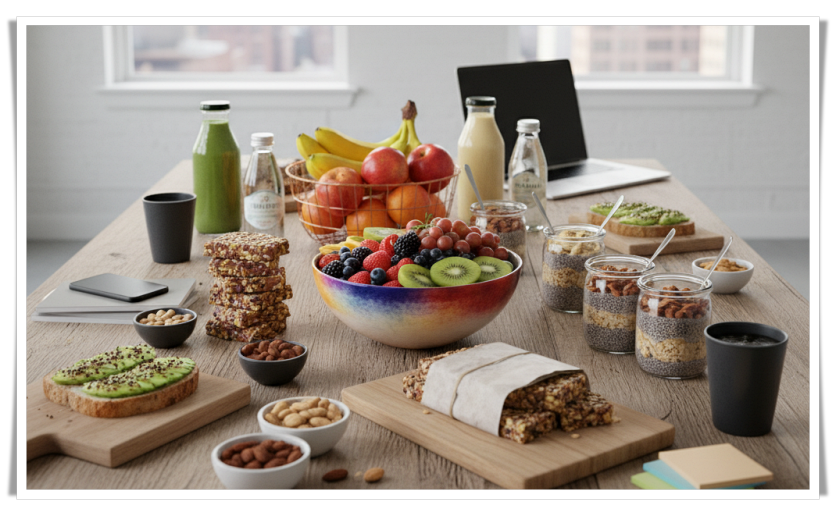
Here’s a scenario you know all too well: It’s 2 PM, you’ve been in back-to-back meetings since 9 AM, lunch was a protein bar scarfed down between emails, and now you’re about to pitch to potential investors while your brain is running on fumes and your hand is reaching for whatever’s closest—probably something processed, sugary, and wrapped in shiny packaging.
Stop right there.
Your snack choices aren’t just about satisfying hunger. They’re strategic decisions that directly impact your cognitive performance, energy stability, decision-making capacity, and long-term health. Every time you grab something to eat between meals, you’re either fueling sustainable success or setting yourself up for an energy crash that’ll cost you hours of productivity.
The entrepreneurial lifestyle demands peak performance on unpredictable schedules. You can’t always control when you’ll eat a proper meal, but you can absolutely control what you keep within arm’s reach when hunger hits. Smart snacking isn’t about deprivation—it’s about having the right ammunition ready when you need it most.
Let’s break down the science of strategic snacking and give you a practical playbook for staying sharp, energized, and healthy while building your empire.
Why Snacking Matters More Than You Think
Before we dive into what to eat, let’s talk about why your snack choices have such a massive impact on your performance.
Blood Sugar and Brain Function: The Foundation of Everything
Your brain is an energy-hungry organ, consuming roughly 20% of your body’s total glucose despite representing only 2% of your body weight. When blood sugar drops, cognitive function tanks—it’s not willpower failing you, it’s biochemistry.
Research published in PMC analyzing 77 studies found that tightly regulated blood glucose levels are essential for optimal cognitive function. The problem? All cohort studies and eight of nine cross-sectional studies found significant positive correlations between added sugar consumption and risk of cognitive impairment.
Translation: The type of snack you choose determines whether your blood sugar stays stable (keeping you sharp) or spikes and crashes (leaving you foggy and craving more junk within an hour).
A study published in the European Journal of Clinical Nutrition found that cognitive performance was significantly better in the late postprandial period (75-225 minutes after eating) when participants consumed low glycemic foods compared to high glycemic options. For entrepreneurs facing afternoon meetings, presentations, or complex problem-solving, this matters enormously.
Protein: Your Secret Weapon for Sustained Energy and Satiety
If there’s one macronutrient that delivers outsized returns for entrepreneurs, it’s protein. Here’s why it’s non-negotiable in your snacking strategy:
Research shows that protein increases satiety to a greater extent than carbohydrates or fat and may facilitate a reduction in energy consumption. A study published in Nutrition Journal comparing high-protein yogurt snacks to high-fat crackers and chocolate found that the high-protein option led to greater reductions in afternoon hunger, delayed eating initiation, and reduced food intake at the dinner meal.
What does this mean practically? A protein-rich snack keeps you full longer, prevents the munchies from derailing your afternoon, and stops you from demolishing an entire pizza at dinner because you’re starving.
But protein does more than kill hunger. Higher-protein diets are associated with increased thermogenesis, which influences satiety and augments energy expenditure, and may provide a stimulatory effect on muscle protein anabolism, favoring the retention of lean muscle mass. When you’re sitting at a desk most of the day, maintaining muscle mass becomes even more critical—and strategic protein intake throughout the day, including snacks, supports this.
The Fat Factor: Not All Fats Are Created Equal
Healthy fats are essential for sustained energy, hormone production, vitamin absorption, and—critically for entrepreneurs—brain health. But the type of fat matters enormously.
Studies including the Adventist Study, Iowa Women’s Health Study, Nurses’ Health Study, and Physicians’ Health Study have shown a consistent 30-50% lower risk of heart attacks, sudden cardiac death, or cardiovascular disease associated with eating nuts several times a week. The unsaturated fats in nuts help lower LDL (bad) cholesterol and raise HDL (good) cholesterol, and omega-3 fatty acids found in walnuts appear to prevent the development of erratic heart rhythms.
A two-year study reported by the American Heart Association of 708 participants found that eating about a half cup of walnuts daily lowered bad cholesterol levels and improved the quality of LDL particles, with participants showing no weight gain despite the added calories.
The takeaway? Fat from whole food sources like nuts, seeds, and avocados stabilizes blood sugar, keeps you satisfied, and protects your cardiovascular system—the very system that determines whether you’ll have the stamina to build your business for decades or burn out prematurely.
The Entrepreneur’s Strategic Snacking Framework
Now that you understand the science, let’s build your practical protocol. Here are the principles that separate performance-enhancing snacks from energy-draining mistakes:
Principle #1: Combine Macronutrients for Stability
The best snacks pair protein with healthy fats and/or complex carbohydrates. This combination slows digestion, stabilizes blood sugar, and provides sustained energy rather than a spike-and-crash rollercoaster.
Examples:
- Apple slices with almond butter (carbs + fat + protein)
- Greek yogurt with berries and hemp seeds (protein + carbs + fat)
- Hummus with vegetables (protein + fat + fiber)
- Hard-boiled eggs with a handful of grapes (protein + fat + carbs)
Principle #2: Prioritize Nutrient Density Over Empty Calories
Every snack is an opportunity to deliver micronutrients your body needs for optimal function—vitamins, minerals, antioxidants, phytonutrients. Choose foods that pack maximum nutrition per calorie.
High nutrient density: nuts, seeds, Greek yogurt, vegetables with hummus, berries, hard-boiled eggs, edamame Low nutrient density: chips, cookies, candy, most protein bars, pastries, soda
Principle #3: Prep and Portability Win Every Time
The best snack is the one you actually have with you when hunger strikes. If healthy options aren’t immediately accessible, you’ll default to whatever’s convenient—which is usually processed garbage.
Your action step: Dedicate 30 minutes weekly to prep portable snacks. Portion them into grab-and-go containers or bags. Keep them in your desk, car, backpack, and anywhere else you might need emergency fuel.
Principle #4: Avoid the Sugar Trap
Research comparing different dietary sugars found that glucose and sucrose had relatively negative effects on cognitive tasks, while no apparent negative effect was found with fructose from whole foods compared to placebo. The key distinction? Naturally occurring sugars in fruits come packaged with fiber, vitamins, and minerals that modulate absorption. Refined sugars in processed snacks cause blood sugar chaos.
If you’re reaching for something sweet, choose whole fruit over anything with added sugars. Your brain will thank you 90 minutes later when you’re still functional instead of crashed.
The Ultimate Entrepreneur Snack List
Let’s get specific. Here are the snacks that deliver maximum ROI for your time, money, and health:
Nuts and Seeds: The Portable Powerhouse
Nuts are arguably the perfect entrepreneur snack. They’re shelf-stable, portable, nutrient-dense, and don’t require preparation. Plus, the science backing their health benefits is bulletproof.
Based on data from the Nurses’ Health Study, substituting the fat from 1 ounce of nuts for equivalent energy from carbohydrate was associated with a 30% reduction in heart disease risk, and substituting nut fat for saturated fat was associated with a 45% reduction in risk.
Top choices:
- Almonds: High in vitamin E (antioxidant for brain health), magnesium (stress management), and protein. About 6 grams of protein per ounce—equivalent to one egg.
- Walnuts: Richest plant source of omega-3 fatty acids (brain structure and function), plus compounds that reduce inflammation and oxidative stress.
- Cashews: Excellent source of copper, magnesium, manganese, phosphorus, zinc, and B vitamins—all critical for energy production and stress response.
- Pistachios: Lower in calories and fat than most nuts, high in protein and fiber, packed with antioxidants.
- Mixed nuts: Variety ensures you get a broader spectrum of nutrients.
The protocol: Pre-portion 1-1.5 ounce servings (about a small handful) in small bags or containers. Keep them everywhere. Aim for a serving daily.
Pro tip: Choose raw or dry-roasted nuts without added oils, sugar, or excessive salt. Read labels carefully—many “flavored” nuts are coated in inflammatory oils and added sugars.
Greek Yogurt: Protein-Packed and Probiotic-Rich
Plain Greek yogurt is a snacking MVP. It delivers 15-20 grams of protein per cup, probiotics for gut health (remember: gut health = brain health), and calcium for bone strength.
How to optimize it:
- Choose plain, unsweetened versions. Flavored yogurts are sugar bombs.
- Add your own toppings: berries, nuts, seeds, a drizzle of raw honey if you need sweetness.
- Look for yogurt with live and active cultures for maximum probiotic benefit.
Portable option: Single-serving containers of plain Greek yogurt travel well in an insulated lunch bag with an ice pack. Portion out mix-ins separately.
Hard-Boiled Eggs: Nature’s Protein Package
Eggs are nutritional powerhouses—complete protein, healthy fats, vitamins A, D, E, K, B vitamins, selenium, and choline (critical for brain health and memory).
The prep: Boil a dozen eggs at the start of the week. Store them in the fridge. Grab two when you need a protein hit.
Pro tip: Season with everything bagel seasoning, smoked paprika, or a pinch of sea salt and pepper. Makes them infinitely more interesting.
Hummus and Vegetables: Fiber and Protein Together
Chickpeas (the base of hummus) deliver protein, fiber, and complex carbohydrates. Pair them with raw vegetables and you’ve got a snack that checks every box: satisfying, nutrient-dense, and blood-sugar-friendly.
Veggie recommendations:
- Carrots, bell peppers, cucumbers, celery, cherry tomatoes, snap peas, radishes
The prep: Buy pre-cut vegetables or spend 15 minutes Sunday chopping and portioning. Store in containers with a small separate container of hummus.
Hummus upgrade: Make your own or choose brands with minimal ingredients (chickpeas, tahini, olive oil, lemon, garlic, salt). Avoid versions with added sugars or inflammatory oils.
Fruit with Nut Butter: The Sweet Spot
When you need something sweet, this combination hits the craving while delivering nutrition and sustained energy.
Winning combinations:
- Apple slices with almond butter
- Banana with peanut butter
- Berries with cashew butter
- Pear slices with tahini (technically a seed butter, but works the same)
The science of berries: Four studies identified reduced risk of cognitive impairment associated with natural fructose-containing foods like fruits. Berries in particular are loaded with antioxidants that support brain health and reduce inflammation.
Portion control: Measure out 1-2 tablespoons of nut butter. It’s calorie-dense, and it’s easy to accidentally eat half a jar if you’re dipping straight from the container.
Protein-Rich Snack Bars: Choose Wisely
Not all protein bars are created equal. Most are glorified candy bars with a protein powder sprinkled in. But there are exceptions—bars made with whole food ingredients that actually fuel performance.
What to look for:
- At least 10-15 grams of protein
- Less than 8 grams of added sugar
- Recognizable ingredients (nuts, seeds, dates, protein powder, etc.)
- 3+ grams of fiber
What to avoid:
- Bars with 20+ grams of sugar
- Ingredient lists that read like a chemistry experiment
- Anything with corn syrup, artificial sweeteners, or inflammatory oils
Solid brands: RXBARs, Epic Bars (meat-based), Perfect Bars (refrigerated), Larabars (lower protein but clean ingredients)
Edamame: The Plant-Based Protein Hero
Whole soybeans in the pod deliver complete protein, fiber, folate, and vitamin K. They’re satisfying, fun to eat, and travel well.
The prep: Buy frozen edamame (shelled or in pods). Steam or boil for 5 minutes, season with sea salt or everything bagel seasoning, portion into containers.
The convenience option: Many grocery stores sell pre-cooked, seasoned edamame in the refrigerated section. Grab-and-go ready.
Dark Chocolate: The Strategic Indulgence
Yes, chocolate can be a healthy snack—if you choose wisely. Dark chocolate (70%+ cacao) delivers antioxidants, improves blood flow to the brain, and satisfies sweet cravings with minimal sugar.
The protocol: 1-2 squares (about 20-30 grams) of high-quality dark chocolate. Pair it with a handful of almonds for protein and fat to balance the carbs.
The science: The flavonoids in dark chocolate have been shown to improve cognitive function and support cardiovascular health. But portion control matters—it’s still calorie-dense.
Trail Mix: Make Your Own
Store-bought trail mix is usually a disaster—loaded with candy, yogurt-covered raisins (sugar bombs), and inflammatory oils. But homemade trail mix? Game-changer.
Your formula:
- Base: raw or roasted nuts (almonds, cashews, walnuts)
- Seeds: pumpkin seeds, sunflower seeds
- Dried fruit: unsweetened cranberries, raisins, goji berries (small amount—dried fruit is concentrated sugar)
- Optional: dark chocolate chips, unsweetened coconut flakes, cacao nibs
The prep: Mix in a large bowl, portion into small bags or containers (1/4 to 1/3 cup servings). Shelf-stable for weeks.
Cheese and Whole-Grain Crackers: The Balanced Option
Quality cheese delivers protein, fat, and calcium. Pair it with whole-grain crackers (or vegetables for lower carbs) and you’ve got a satisfying snack.
Cheese choices: String cheese, cheese cubes, Babybel, aged cheddar, gouda, sharp cheese varieties
Cracker upgrade: Look for crackers made with whole grains, seeds, and minimal ingredients. Avoid refined flour and added sugars.
Roasted Chickpeas: The Crunchy Alternative
If you’re craving something crunchy and salty, roasted chickpeas destroy chips in every category—more protein, more fiber, more nutrients, better blood sugar response.
DIY version: Rinse and dry canned chickpeas, toss with olive oil and seasonings (paprika, cumin, garlic powder, sea salt), roast at 400°F for 30-40 minutes until crispy.
Store-bought option: Many brands now sell pre-roasted chickpea snacks. Check ingredients for minimal additives.
The Snacking Strategies That Separate Winners from Burnouts
Knowing what to eat is half the battle. Implementing it consistently is where most entrepreneurs fail. Here’s how to make healthy snacking automatic:
Strategy #1: The Desk Drawer Arsenal
Keep non-perishable snacks in your workspace at all times. When hunger hits mid-task, you won’t even need to stand up.
Stock it with: individual nut packets, protein bars, roasted chickpeas, dried seaweed snacks, dark chocolate, shelf-stable nut butter packets
Strategy #2: The Sunday Prep Session
Block 30-60 minutes every Sunday for snack prep. This one habit eliminates 90% of poor snacking decisions during the week.
Your checklist:
- Hard-boil eggs
- Portion nuts and seeds
- Cut vegetables and store with hummus portions
- Prep fruit and nut butter portions
- Make trail mix
- Portion Greek yogurt into containers with toppings
Strategy #3: The Mobile Kit
Keep a dedicated snack bag in your car or backpack. For those days when you’re running from meeting to meeting with zero time for proper meals.
Pack it with: protein bars, nut packets, apple, string cheese (with ice pack), bottled water
Strategy #4: The Strategic Timing Protocol
Don’t wait until you’re ravenous to eat. Plan snacks between meals when your energy typically dips—usually mid-morning (10-11 AM) and mid-afternoon (3-4 PM).
Eating before you’re desperate prevents poor decisions and keeps blood sugar stable throughout the day.
Strategy #5: The Hydration Rule
Often what feels like hunger is actually dehydration. Before reaching for a snack, drink 16 ounces of water and wait 10 minutes. If you’re still hungry, eat. If not, you just saved yourself unnecessary calories and maintained focus without the distraction of eating.
Strategy #6: The Emergency Vending Machine Protocol
Inevitably, you’ll find yourself in situations where your only options are vending machines or gas stations. Here’s your damage-control hierarchy:
Best options:
- Nuts (any kind)
- String cheese
- Plain Greek yogurt (if refrigerated options exist)
- Beef jerky (check for minimal sugar and nitrates)
- Dark chocolate
Acceptable options:
- Protein bars (read ingredients carefully)
- Popcorn (plain or lightly salted)
- Pretzels (not ideal but better than most alternatives)
Avoid at all costs:
- Candy bars
- Chips
- Donuts or pastries
- Sugary drinks
- Most muffins or cookies (sugar bombs disguised as food)
The Blood Sugar Optimization Playbook
Everything we’ve discussed comes down to one fundamental principle: managing your blood sugar determines your energy, focus, mood, and long-term health. Here’s your tactical guide:
Eat Protein First
When you’re hungry, eat protein before anything else. It triggers satiety hormones faster and blunts the blood sugar spike from any carbs you eat afterward.
Pair Carbs with Fat or Protein—Always
Never eat carbohydrates alone. The fat and/or protein slows digestion and prevents blood sugar chaos.
Choose Low Glycemic Options
The glycemic index measures how quickly a food raises blood sugar. Lower is better for sustained energy and cognitive function.
Low glycemic snacks: nuts, Greek yogurt, eggs, hummus, vegetables, berries, apples High glycemic (avoid): white bread, crackers, pretzels, dried fruit alone, candy, most granola bars
Front-Load Your Day
Eat more substantial snacks earlier in the day when you need sustained energy for decision-making and problem-solving. Lighter snacks in the evening prevent disrupting sleep quality.
Watch the Liquid Calories
Smoothies can be healthy, but they can also be sugar bombs. If you’re blending fruit, add protein powder, Greek yogurt, nut butter, or seeds to balance the carbs. Avoid fruit juice—it’s essentially liquid sugar without the fiber to slow absorption.
Common Snacking Mistakes Entrepreneurs Make
Let’s address the patterns that sabotage performance:
Mistake #1: Skipping Snacks Entirely
Operating on willpower alone and ignoring hunger leads to energy crashes, poor decision-making, and eventually binge eating. Food is fuel. Your brain needs it. Plan for it.
Mistake #2: Relying on Coffee to Suppress Appetite
Caffeine masks hunger temporarily but doesn’t provide energy. Eventually, you crash harder. Use coffee strategically, but don’t use it as a meal replacement.
Mistake #3: Grabbing Whatever’s Fastest
Convenience defaults to processed junk. Build systems that make healthy options just as convenient (see: prep strategies above).
Mistake #4: Eating Out of Boredom or Stress
If you’re not physically hungry, food won’t solve the problem. Bored? Take a walk. Stressed? Do breathing exercises. Procrastinating? Address the real issue. Emotional eating is a band-aid that makes everything worse.
Mistake #5: Portion Distortion
Even healthy foods have calories. Eating an entire bag of almonds or half a jar of almond butter will absolutely impact your energy and potentially your waistline. Portion control matters.
The Long Game: Why This Matters Beyond Today
Every snack choice you make today is either building or eroding your long-term health foundation. As an entrepreneur, you’re playing an infinite game—the business you’re building needs you sharp, energized, and healthy not just this quarter but for the next 30+ years.
Research estimates that substituting nut fat for saturated fat is associated with a 45% reduction in coronary heart disease risk. Your daily snacking choices literally determine whether you’re building cardiovascular resilience or heading toward disease.
The cognitive impacts accumulate too. Studies show that added sugar consumption is consistently correlated with increased risk of cognitive impairment, while nutrient-dense whole foods support brain health and protect against cognitive decline.
This isn’t about perfection. It’s about patterns. Make better choices 80% of the time and you’ll see compound returns: better energy, sharper thinking, improved mood, enhanced stress resilience, and a body that can sustain the entrepreneurial journey for decades.
Your Implementation Checklist
Stop reading and start doing. Here’s your action plan:
This week:
- Clean out your desk/car/bag of junk food
- Make a grocery list based on the snacks above
- Shop for your snack arsenal
- Schedule your Sunday prep session
This Sunday:
- Prep hard-boiled eggs
- Portion nuts into grab-and-go bags
- Cut vegetables and portion hummus
- Assemble trail mix
- Stock your desk drawer, car, and bag
This month:
- Track how you feel after different snacks (energy, focus, hunger levels)
- Identify your weak points (time of day, situations where you default to junk)
- Build systems to address those weak points
- Make prep and stocking your snacks a non-negotiable weekly habit
The Bottom Line
Your snacking strategy is either a competitive advantage or a hidden liability. Choose foods that stabilize blood sugar, deliver real nutrition, and support sustained cognitive performance. Prep them in advance so healthy choices are as convenient as junk. Build systems that make smart snacking automatic.
Healthy snacking isn’t about restriction—it’s about having more. More energy. More focus. More productive hours. More years of peak performance.
You wouldn’t run your business on outdated technology or unreliable infrastructure. Don’t run your body—the vehicle that makes everything else possible—on garbage fuel.
Stock your arsenal. Prep your snacks. Protect your energy. Build your empire on a foundation that can sustain decades of success.
Ready to upgrade every aspect of your entrepreneurial performance? Explore science-backed nutrition solutions, performance supplements, and wellness tools at AztraWellness.com—where ambitious founders find sustainable strategies for peak performance and long-term health.